How to professionally prepare a car for PPF film application
Before protective PPF film goes onto the bodywork, every detail must be perfectly prepared. In this post we show what the professional process of preparing a car for PPF application looks like - step by step, to the highest detailing standards.
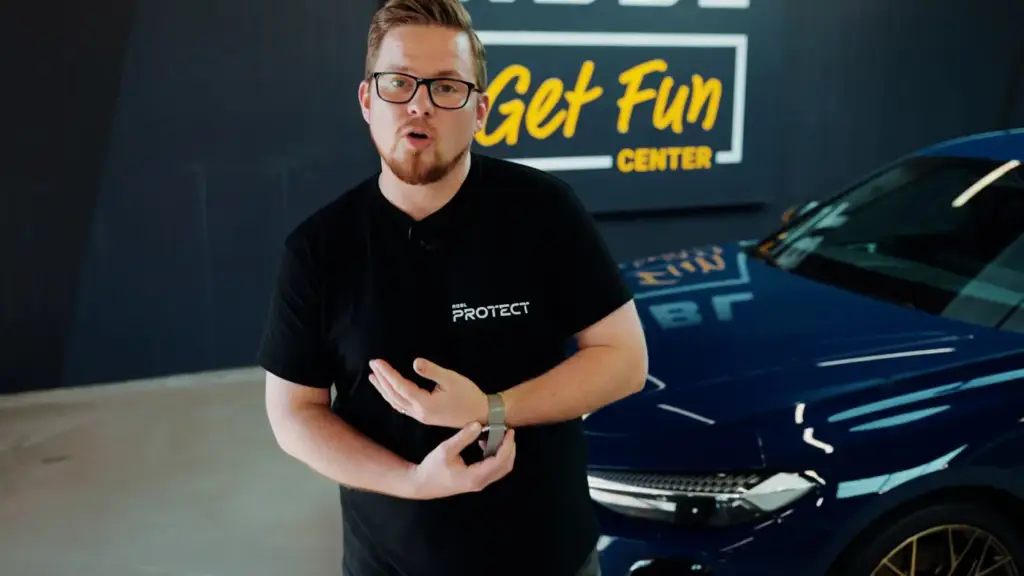
Before protective PPF film goes onto the bodywork, every detail must be perfectly prepared. In this post we show what the professional process of preparing a car for PPF application looks like - step by step, to the highest detailing standards.
PREPARING THE BAY AND THE VEHICLE
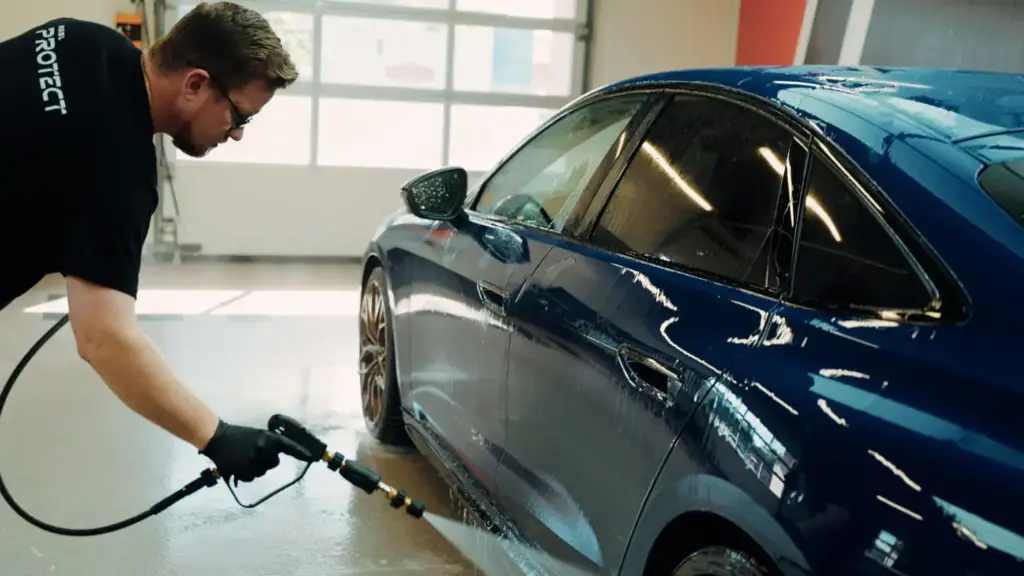
Before we start work, we take off anything that could scratch the paint - jewellery, watches, belts with metal buckles. We put on protective gloves and remove the licence plates and small parts that could get in the way of washing.
PRE-WASH - SNOW FOAM
We begin the process with a pre-wash using snow foam. This is a key stage that lets us dissolve and lift away the heaviest dirt before the wash mitt ever touches the paint. We use neutral, highly stable foams such as ADBL Yeti or ADBL Yeti Pearl. After a few minutes the foam is rinsed off and the bodywork is ready for the main wash.
MAIN WASH - THE TWO-BUCKET METHOD
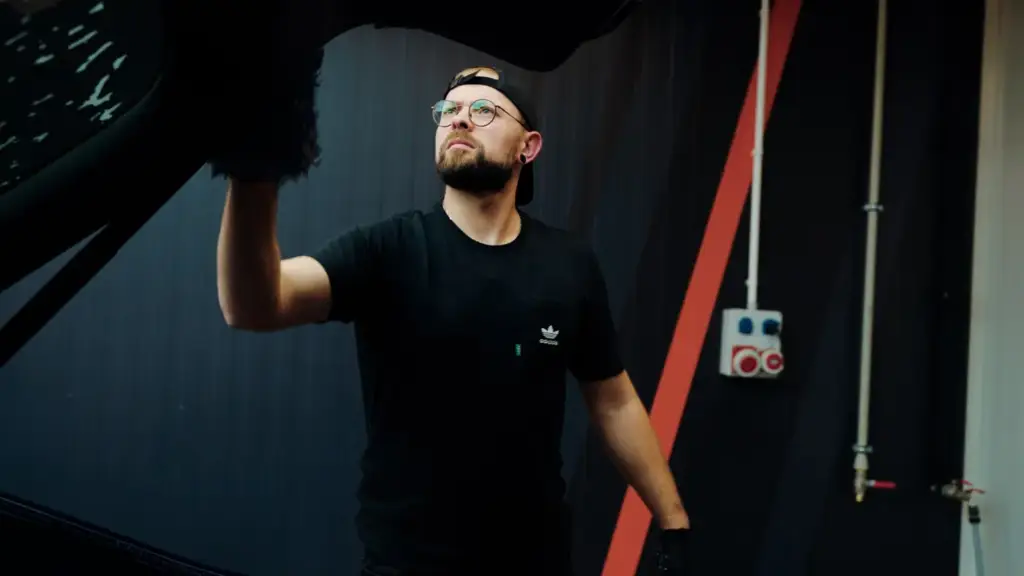
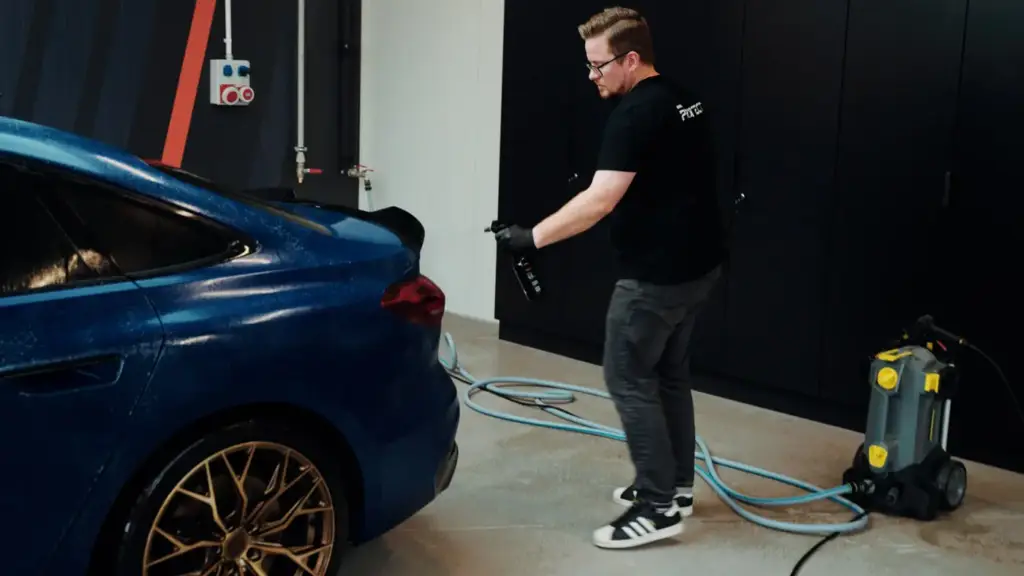
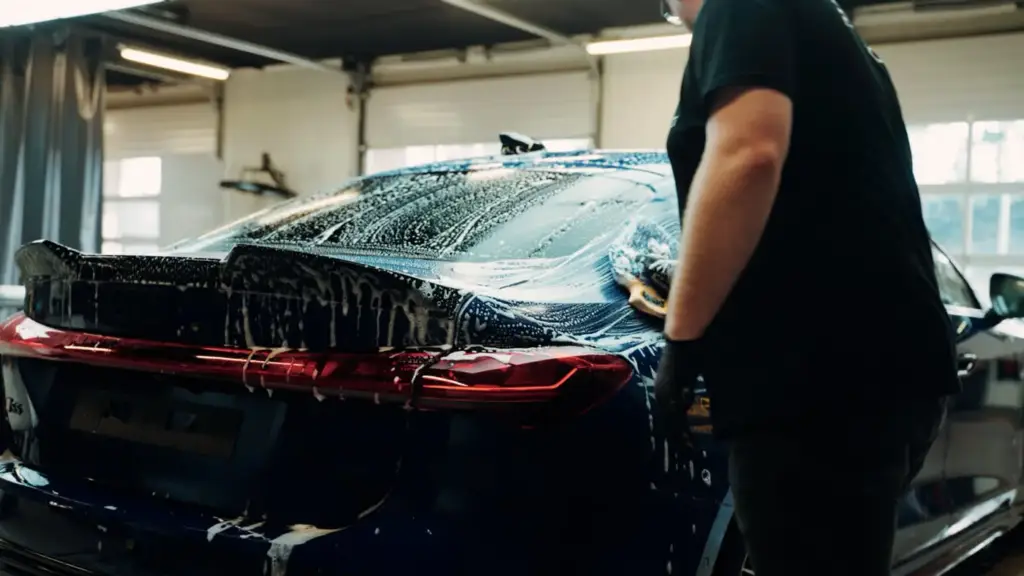
The next stage is a contact wash using a pH-neutral shampoo - e.g. ADBL Shampoo Be Neutral. We use a microfibre wash mitt and wash the car using the two-bucket detailing method. We leave brushing the gaps until the very end to avoid scratches caused by sand hidden in the edges. We do not forget about the door recesses and hinges - these are spots from which contamination often seeps out during film application. ADBL APC at a working dilution is ideal for cleaning them.
CHEMICAL DECONTAMINATION - IRON FALLOUT, TAR, RESIN
After washing we move on to chemical decontamination. We start by removing iron fallout using ADBL Vampire Liquid. This product reacts effectively with the metal particles that settle on the paint and wheels. We let it dwell and rinse it off. Next we use ADBL Tar Remover Thixotropic - a product with natural citrus oils that removes tar and asphalt. It works best on a dry surface, so after the earlier rinse the car should be thoroughly dried.
MECHANICAL DECONTAMINATION - CLAYING
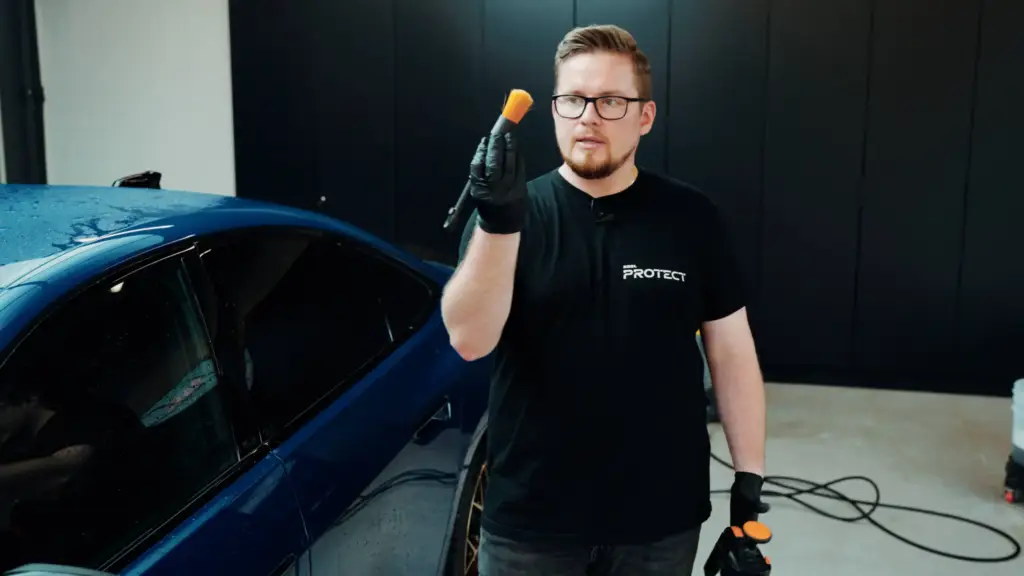
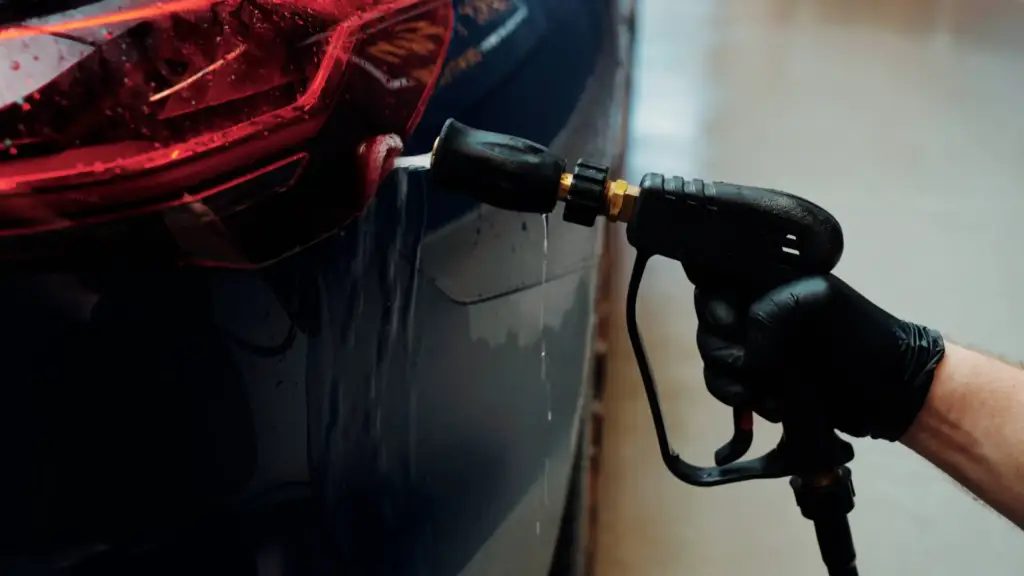
Once the chemical stages are complete, it is time to clay the paint. We use ADBL Slippy lubricant, which minimises friction and prevents micro-scratches. After each panel it is worth checking the surface with your hand - it should be perfectly smooth.
DETAILS - BRUSHING THE EDGES AND RINSING
Finally we move on to brushing the gaps and edges using ADBL APC or ADBL APC Typhoon. This is the stage that often decides how clean the installation is. Even a single grain of sand can be visible under the film once it has dried. Professionals also use the pressure-free edge-flushing method - gently rinsing with a hose or a low-pressure washer draws out contamination hidden deep in the gaps.
READY FOR APPLICATION
Once all the stages are complete, the bodywork is clean, smooth and free of contamination. The car can be dried using ADBL Twisted Towel drying towels, which leave no fibres on the surface. Paint prepared this way is ready for polishing and degreasing before PPF film application.
SUMMARY
Professional surface preparation is the key to a perfect PPF application. Every stage matters - from snow foam, through decontamination, to cleaning the edges. At ADBL Protect we believe that a clean surface is the foundation of durable protection and a studio's reputation.